The Medici.
Artistic patrons of the Renaissance.
The Medici, were an important banking family from the city of Florence. Their rise to power during the 15th century influenced the art, culture, and political events during the Renaissance period. The family was one of the wealthiest in Europe and the Medici bank was the most respected financial institution of the time. The family’s banking empire elevated them to a position of power within the city of Florence. Marrying strategically and forming alliances they became one of Florence's most influential families and their rise to power transformed the city into a thriving cultural and economic nucleus.
In addition to their patronage of many eminent artists of the period, the Medici also supported the world of architecture. The Medici Chapel and the San Lorenzo Church benefitted from the generosity of the Medici family’s patronage. These impressive buildings housed sculptures by the famous sculptor Michelangelo Buonarroti.
Giovanni di Bicci de' Medici (1360-1429), was basically a banker but was also the first of the Medici family to patronise the arts. He aided Masaccio and Brunelleschi by commissioning some of their work. Artists of the time produced works only when they had received advance payments for them. Giovanni's wealth ensured that major commissions were completed and paid for.
Giovanni's son, Cosimo de’ Medici the Elder (1389-1464), took over the Medici bank in 1434, he was the first from the family to accumulate substantial power and wealth. Through shrewd management he revived the bank, this revival elevated the bank’s status eventually cementing its dominance within the banking landscape of Europe. Cosimo cleverly raised the Medici's societal stature within Florence and beyond.
Cosimo also used his wealth to promote the arts and humanities, his patronage extended to many important artists including Fra Angelico who created his magnificent fresco, “The Annunciation”. The sculptor Donatello also benefited from this patronage producing his sculpture, “Judith and Holofernes”.
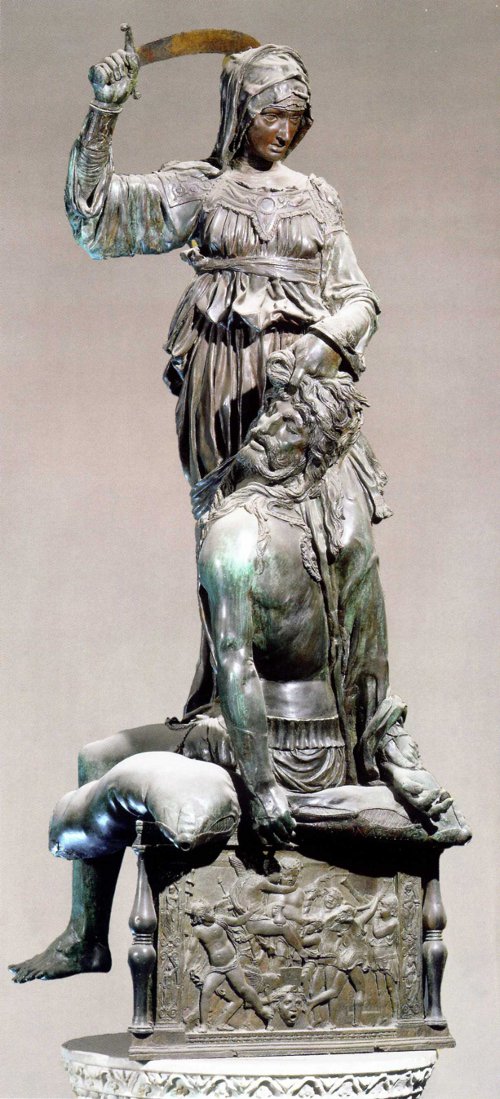
Cosimo’s son Piero de' Medici (1416-1469), continued the family tradition of artistic patronage. Often known as Piero the Gouty, Piero’s own son, Lorenzo de' Medici, known as Lorenzo the Magnificent, is the most well-known figure within the Medici dynasty.
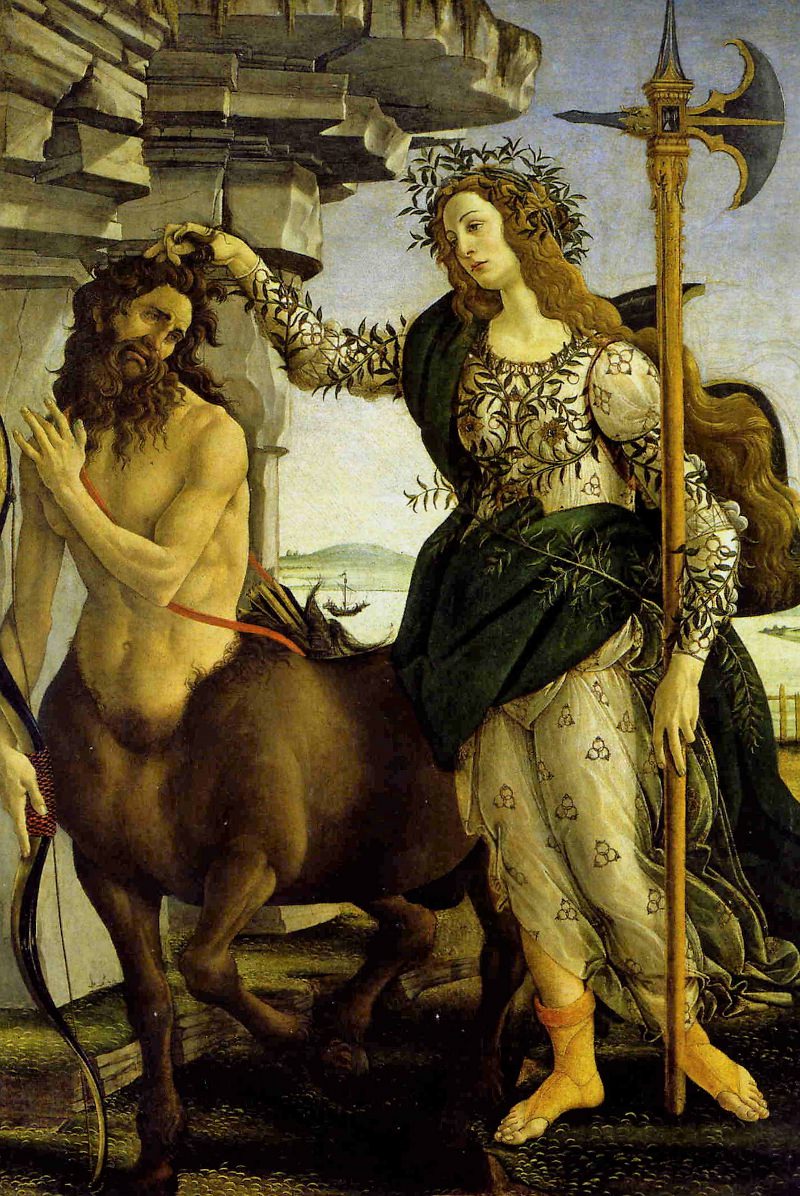
Lorenzo de' Medici the Magnificent (1449-1492) held the reins of power in Florence during the golden age of the Renaissance. As an active promoter of the arts he was involved in gaining commissions for artists such as Sandro Botticelli, known for his famous painting “The Birth of Venus”. Other eminent artists included Domenico Ghirlandaio, Andrea del Verrocchio, Leonardo da Vinci and Michelangelo Buonarroti.
Michelangelo honed his skills in the environment of the Medici household, he lived with Lorenzo and his family for many years producing work for several members of the Medici. Although created after Lorenzo’s death, his support was an important stepping stone resulting in Michelangelo’s iconic works in the Sistine Chapel and his statue of David. Florence's prosperity wasn't solely built on the Medici's artistic patronage, their banking activities significantly contributed to the city's financial growth granting them immense political clout and influence.
Following the death of Lorenzo in 1492, the family fell into a brief decline, resulting in the family’s expulsion from Florence. However, Giovanni de’ Medici was appointed pope in 1513. With Giovanni installed as Pope Leo X the Medici’s status was restored and their exile was at an end.
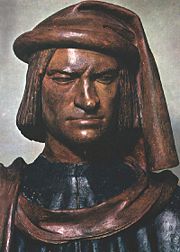 Lorenzo the Magnificent, bust by Andrea del Verrocchio. (w)
The Medici Popes.
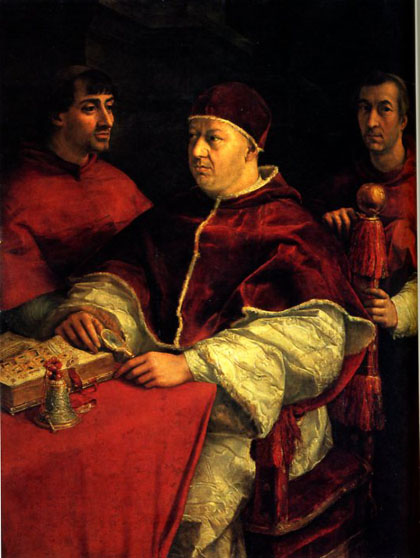
Giovanni de' Medici (1475–1523), Pope Leo X. One of the four Medici’s to be elected to the papal office, Leo is the Pope who supported Raphael’s work in the Vatican and St Peters. In 1518 Raphael painted his now famous portrait of Leo X. The family provided financial support to many influential monarchs and important figures within the church hierarchy, this enabled the Medici to secure influence in the vital appointments within the churches affairs.
Giulio de' Medici (1478–1534), Pope Clement VII, was the nephew of Lorenzo the Magnificent and the cousin of Leo X. His own father (Giuliano de' Medici) was assassinated in Florence and, as Giulio was born a month after the assassination, he was educated by Lorenzo, he became a cardinal on 23 September 1513. Giulio was elected Pope on November 19 1523, it is he who commissioned Michelangelo's Last Judgement on the altar wall of the Sistine Chapel.
The Medici produced two more popes, Giovanni Angelo Medici, Pope Pius IV (1499-1565), was from Milan and distantly related to the Medici and, Alessandro Ottaviano de' Medici, (1535-1605), Pope Leo XI.
With the appointment of Alessandro de' Medici, (1510-1537), as the first Duke of Florence in 1532, the Florentine republican government was transformed into a hereditary form of monarchy. On Alessandro’s rise as leader of the city the Medici’s political power reached its peak. The unfortunate Alessandro was assassinated in Florence aged 26 years.
In 1569, Cosimo I de' Medici, (1517-1574), not to be confused with the earlier Cosimo, rose to the position of Grand Duke of Tuscany, he to, in the family tradition, was a fervent patron of the arts. Cosimo was a supporter of Giorgio Vasari who painted the "Allegory of the Immaculate Conception", Vasari created the Uffizi, one of the world’s greatest art galleries, and he also founded the Academy of Design in 1562.
The Medici power and influence began to decline in the 18th century, even so the family continued their tradition of artistic patronage. The vast collection of treasures containing numerous masterpieces was donated to the city of Florence by Anna Maria Luisa de’ Medici, (1667-1743) who was the last family linage bearer. Their priceless collection of artworks now adorn the museums of Florence, they can be viewed in the Uffizi Gallery, the Medici Palace and the Pitti Palace. These important institutions have become must-see locations for the many tourists and art lovers visiting the city.
The Medici family legacy is extensive and spans centuries of political and artistic advancement. They not only nurtured the talent of young artists, many of these have names that are now revered worldwide, they transformed Florence into the prosperous epicentre of the Renaissance.
Personal opinion:- There are many documentaries and television shows that focus on the political intrigues, and general rivalry between the Medici and other notable Florentine families. Some of these attempt to be historically accurate, others have a tendency to over dramatize in search of higher viewer numbers. While there is nothing wrong with expanding a story for entertainment purposes, the danger is that fact and fiction become intertwined to such an extent that it becomes ever more difficult to separate the two.
Television is a powerful medium, but we must remember that history is a skeleton of known facts based on the documented accounts of the time. Consider how many shows describe their programme as ‘based on a true story’, really! I often wonder what percentage is true, 90%, 50%, 10%! Please don’t stray too far from the facts.
- Home
- Early Italian Renaissance
- The Medici of Florence.

Contact Details. Site Map. Site Author. Art Museums. Privacy Policy. News.
© Copyright, 2008-2024, by Vincent Finnan, Italian-Renaissance-Art.com